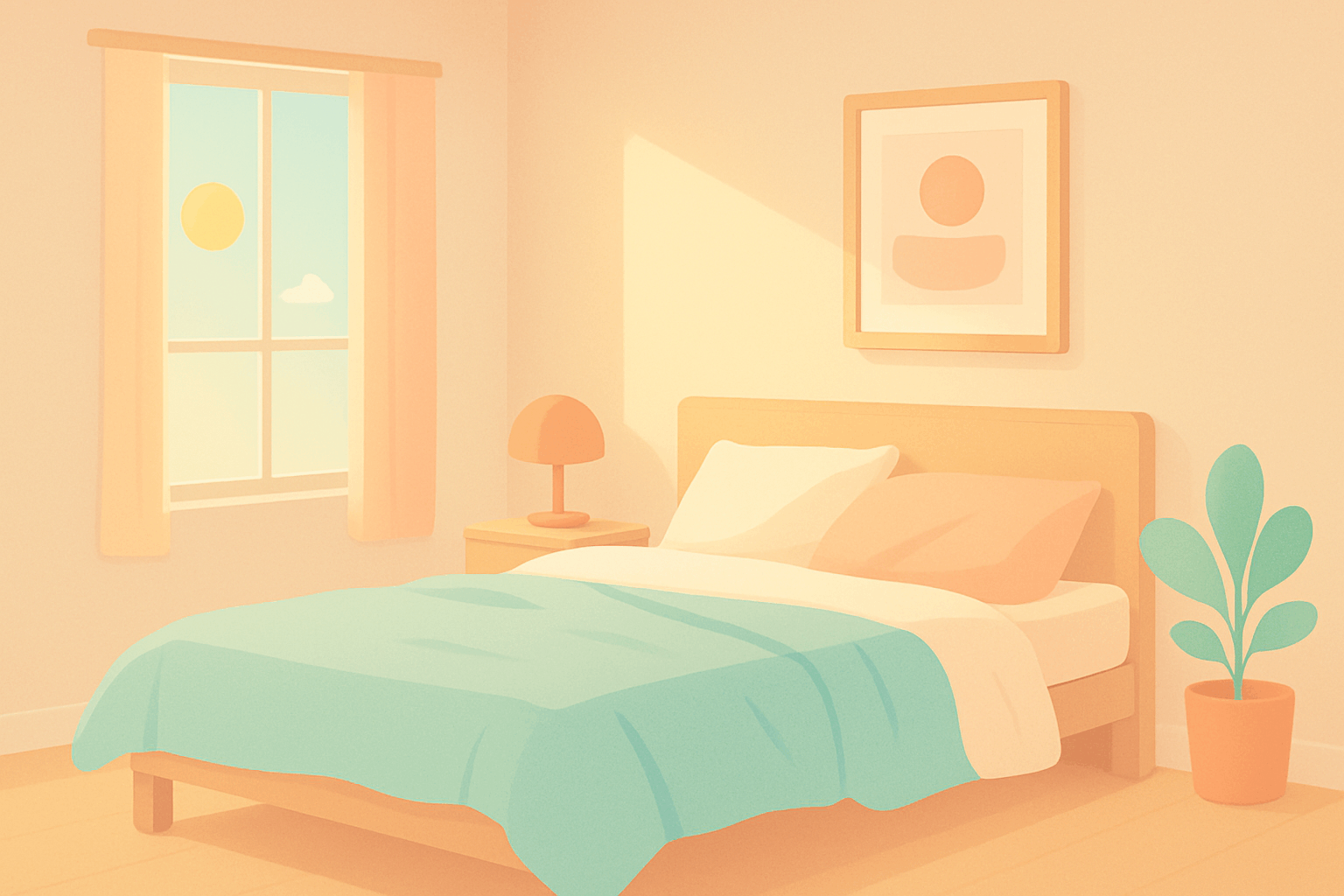
Have you ever walked into a cluttered room and immediately felt stressed? Or maybe you’ve stepped into a calm, minimalist space and instantly felt at peace? It’s no coincidence—your environment has a profound impact on your mental, emotional, and even physical state. The way your space is arranged, the colors on your walls, the things you surround yourself with—these elements can either uplift you or drag you down. So, why does your space affect your state, and how can you use this knowledge to create an environment that nurtures your well-being?
The Power of the Environment: More Than Just Aesthetics
We’ve all heard the saying “A clean space equals a clear mind,” but there’s more to it than just tidying up. The psychology of space, also known as environmental psychology, studies how our surroundings influence our behavior, emotions, and mental health. Everything from the amount of natural light to the furniture arrangement plays a role in how we feel and function.
The Subtle Influence of Color
Ever notice how certain colors make you feel a certain way? Blue can calm you down, yellow can lift your mood, and red can get your heart racing. The colors in your space aren’t just there for aesthetic purposes—they have a direct influence on your emotions and state of mind. For instance, a room painted in soft blues or greens can create a sense of tranquility, making it perfect for a bedroom or a meditation space. On the other hand, a bright yellow or orange space can energize you, which is why it’s often used in kitchens or workspaces.
Lighting and Its Effect on Mood
Lighting is another key player in how your space affects your state. Natural light, in particular, is a mood booster. It increases serotonin levels and helps regulate your circadian rhythm, making you feel more alert and energized. On the flip side, dim or artificial lighting can make you feel sluggish, tired, or even depressed over time. Ever wondered why you feel more awake in a sunny café or shop than in a dimly lit room? It’s all about the light. If you can, try to incorporate as much natural light into your space as possible, and use warm-toned lights for a cozy, inviting atmosphere.
Clutter vs. Order: The Mental Impact of Organization
How your space is organized—or disorganized—can significantly affect your mental clarity and stress levels. A cluttered environment often mirrors a cluttered mind. When your surroundings are messy, it can feel overwhelming, leaving you distracted, anxious, and even less productive.
The Science of Clutter
Studies show that clutter can contribute to increased levels of cortisol (the stress hormone) and can even impair your ability to focus. Think about it: when you’re surrounded by piles of paperwork, dishes, or clothes, your mind is constantly processing that visual information, which can be mentally draining. However, a well-organized space fosters a sense of control and calmness, making it easier for you to concentrate and relax.
The Calm of Minimalism
Minimalism isn’t just a trendy design choice—it’s a lifestyle that promotes mental clarity. The fewer things you have to focus on or clean up, the less your brain has to process, which frees up mental space for creativity, relaxation, and productivity. If you’re feeling overwhelmed, try adopting a minimalist approach. You don’t need to toss everything you own, but consider paring down the items that no longer serve you, leaving room for peace and focus.
Personalization: Surround Yourself with What Brings You Joy
Your space is your sanctuary, so why not fill it with things that make you feel good? Personalizing your environment by adding elements that bring you joy, comfort, or inspiration can positively affect your mental state. Whether it’s a favorite artwork, a cozy throw blanket, or plants that bring life to the room, these personal touches can elevate your mood and create a space that feels like “you.”
Why Plants Make a Difference
Incorporating plants into your space isn’t just about aesthetics—it’s about well-being. Plants have been shown to reduce stress, increase productivity, and improve air quality. Even just looking at greenery has a calming effect, and taking care of plants gives you a sense of purpose and satisfaction. If you’re looking to improve your state, adding a few plants can do wonders.
The Role of Personal Art and Keepsakes
You know that feeling of walking into a room filled with photographs, travel mementos, or pieces of art that speak to you? Personal items help ground us, reminding us of who we are, where we’ve been, and what we love. These items can bring a sense of comfort and joy, making your space feel more like home and positively influencing your emotional state.
The Importance of Space for Movement and Rest
How your space is used—and how much room you have to move around—also plays a role in your well-being. When you’re stuck in a cramped, disorganized space, it’s hard to feel at ease. On the flip side, having designated areas for work, rest, and play can help you stay balanced and energized.
Creating Zones Within Your Space
If you live in a small apartment or house, it might seem like there’s not enough room for everything. However, by creating specific zones for different activities, you can make your space feel more functional and intentional. For instance, set up a separate area for work or study, a cozy reading nook, and a designated space for relaxation or meditation. These boundaries help create a sense of order and ensure that your space supports your various needs throughout the day.
The Power of Movement
Movement is essential for mental clarity, and your space should allow for it. Even if you don’t have a full home gym or yoga studio, consider creating a space that allows for simple stretches, dancing, or just walking around. Sitting for long periods in a stagnant environment can lead to sluggishness and brain fog. By giving yourself room to move, you’re supporting both your physical and mental health.
The Ripple Effect: How Your Space Affects Your State Beyond the Walls
While your immediate surroundings have a direct influence on your state, your space can also have a ripple effect on your life outside the walls. When you create an environment that promotes calm, productivity, and happiness, it sets the tone for how you approach the rest of your day.
How Your Space Impacts Relationships
Your space isn’t just about you—it’s also about how you interact with others. A calm, welcoming environment encourages positive interactions and communication, whether it’s with family, roommates, or friends. When your space is organized and filled with personal touches that make you feel good, it sets a positive tone for everyone who enters.
Work and Play in Harmony
Finally, your space can help you find a better balance between work and relaxation. A home office that’s well-organized and separate from your leisure space can help you “switch off” at the end of the day. The line between work and personal time can get blurry when both happen in the same space, but having distinct areas for each can support mental separation, ensuring that you can relax after a long day’s work.
Conclusion: Curate Your Space to Curate Your State
At the end of the day, your space is an extension of you. It’s not just where you live—it’s a reflection of your mindset, your moods, and your lifestyle. By understanding the profound impact your environment has on your state of mind, you can take small steps to transform your space into a haven that nurtures your well-being.
So, whether you’re rearranging furniture, adding plants, or simplifying your décor, remember that your space is a tool that can either uplift you or drag you down. Create a space that makes you feel good, and in turn, it will help you feel good—body, mind, and soul.