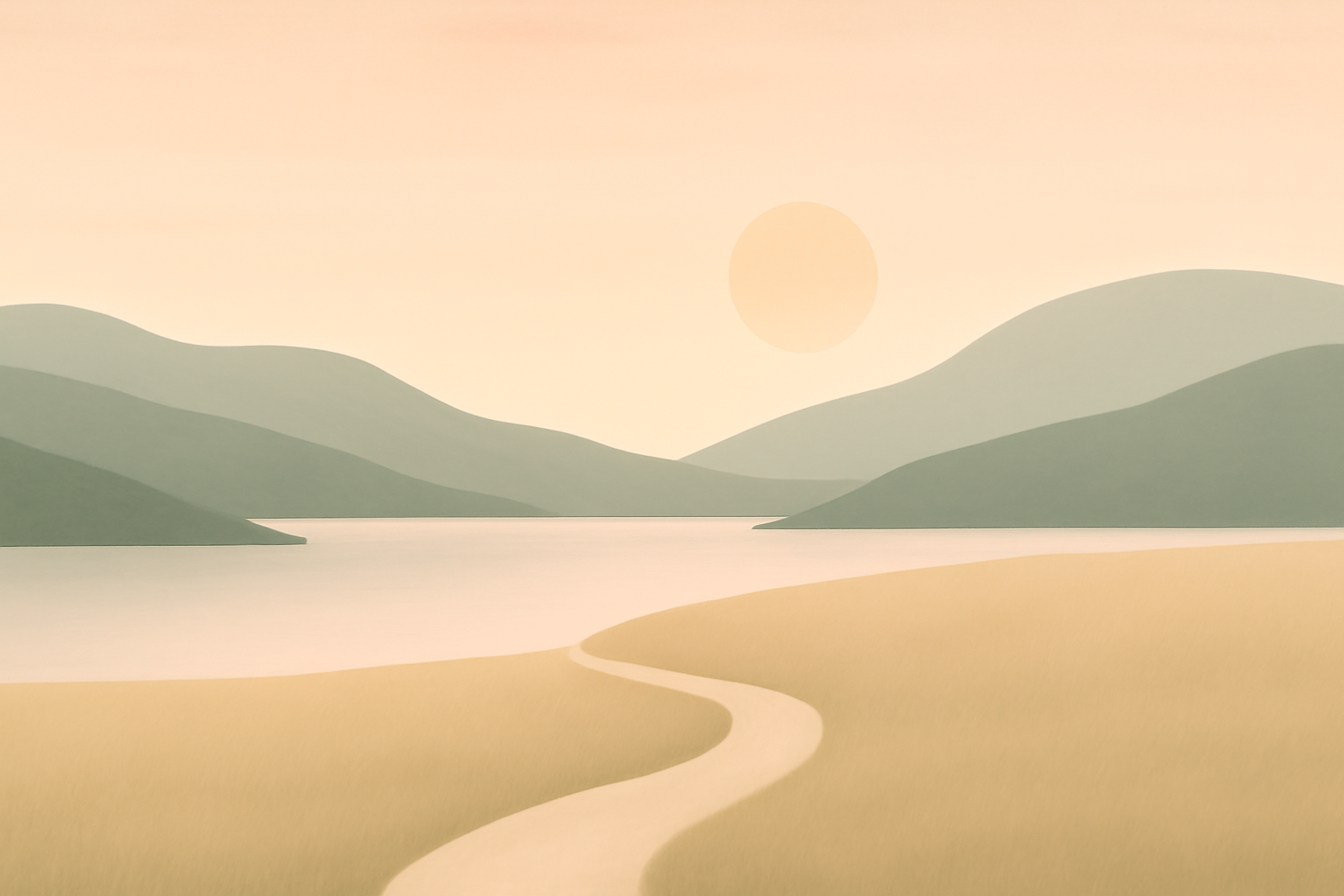

In a world that celebrates productivity, efficiency, and “getting things done,” the idea of wandering—whether it’s physically, mentally, or creatively—might seem like a luxury we can’t afford. After all, we’re constantly told to focus, make plans, and stay on task. But here’s the twist: some of the most brilliant ideas, breakthroughs, and moments of creativity come when we stop trying so hard and allow ourselves to wander aimlessly, without a fixed destination in mind.
Creative wandering isn’t about aimlessly scrolling through your phone or drifting into distraction. It’s about allowing your mind the freedom to explore new possibilities, make connections, and let go of the pressure to always be “productive.” Let’s dive into why wandering—in all its forms—might just be the most powerful tool you have for unlocking creativity.
1. Wandering Breaks the Mental Rut
We all know that feeling of being stuck. Maybe you’re facing a problem at work, or you’ve hit a wall with a creative project, and nothing seems to click. It’s easy to believe that the solution is to push harder, work longer, and think more intensely. But ironically, the best ideas often come when we step away.
When you give yourself permission to wander, whether that’s going for a walk, sketching without a purpose, or simply letting your mind daydream, your brain starts to relax and make new connections. Sometimes, the best way to solve a problem is to stop trying so hard to fix it and let your mind take the scenic route.
How to Do It:
- Take a walk: Literally walk away from the problem. The rhythmic motion of walking can help clear your head and let new ideas flow in.
- Mindless doodling: Grab a pen and paper, and start drawing whatever comes to mind. You’d be surprised how this simple act can spark creative thoughts.
- Allow daydreaming: Instead of forcing yourself to focus, give your mind a break. Let it wander to random places and see where it goes.
2. Creativity Thrives in the Unexpected
Some of the most innovative ideas arise from serendipity—a chance encounter, a random thought, or a spark of inspiration that happens when we least expect it. When we’re always focused on a rigid goal, we can miss out on these unexpected moments of brilliance.
Creative wandering invites you to be open to surprise and spontaneity. Maybe it’s hearing a random conversation that leads to a breakthrough, or perhaps a detour on your daily route offers a fresh perspective on an ongoing project. By loosening control, you allow your creativity to go down uncharted paths.
How to Do It:
- Embrace the unexpected: If you’re out and about, don’t be afraid to take a different route or strike up a conversation with a stranger. You never know what you might learn or discover.
- Experiment without expectations: Try something new, just for fun. Whether it’s a new medium of art or writing in a style you haven’t explored before, this allows your creativity to move in fresh directions.
3. Wandering Fosters Playfulness
As adults, we often forget how to play. When was the last time you did something just because it was fun, without any goal or expectation? Wandering is a form of play—it’s about exploring without rules, letting your curiosity guide you, and embracing the joy of discovery.
The act of creative wandering invites you to let go of perfectionism and the need for everything to have a clear outcome. It’s about enjoying the process and experimenting freely. This playful mindset opens the door to more innovation and freedom in your creative endeavors.
How to Do It:
- Play with no agenda: Try an activity that has no purpose other than fun. Play a game, sing loudly in the car, or create something with no goal other than to enjoy the process.
- Revisit your childhood hobbies: What did you love doing as a kid? Whether it was drawing, building forts, or making up stories, revisit that sense of play and see how it can fuel your creativity now.
4. Wandering Cultivates Patience
In our fast-paced world, we’re taught to expect immediate results. Whether it’s in our careers, our personal lives, or our creative projects, we often want things to happen quickly. But wandering—especially in a creative sense—teaches us the value of patience.
Sometimes, creativity doesn’t appear on command. It’s a slow process, often developing in the background while we’re not paying attention. When you wander, you allow ideas to marinate, and things begin to fall into place without rushing. This slower pace leads to deeper insights and more thoughtful outcomes.
How to Do It:
- Stop forcing it: If you’re stuck on a project, take a break and step back. Let things unfold naturally, without trying to control every aspect of the process.
- Give yourself space: Whether it’s taking a day off from a creative project or leaving a task unfinished for a while, patience allows the creative process to develop organically.
5. Wandering Builds New Perspectives
One of the most powerful aspects of creative wandering is the fresh perspective it offers. When you’re immersed in a routine, you tend to see the world through a narrow lens. But when you wander—whether physically or mentally—you’re opening yourself up to new viewpoints, new experiences, and new ideas.
This change in perspective can lead to breakthrough moments that you wouldn’t have had if you’d stayed on the same path. Whether it’s a new environment or a new way of thinking, wandering allows you to step outside of your normal boundaries and tap into a wider range of ideas.
How to Do It:
- Travel (even locally): Explore new places, whether that means traveling to a new country or simply visiting a part of your city you’ve never seen before. A change of scenery often leads to a change in mindset.
- Switch up your routine: Change something simple in your daily routine—like the route you take to work, the way you eat lunch, or how you organize your day. Small shifts in your environment can spark fresh ideas.
6. The Joy of Wandering Without a Destination
Ultimately, creative wandering is about freedom—freedom from expectations, freedom from rules, and freedom from a fixed end goal. It’s about trusting the process and enjoying the journey rather than obsessing over the outcome. And here’s the kicker: when you stop obsessing over the destination, you often end up somewhere even better than you imagined.
In fact, sometimes the best ideas come when you’re not trying to have an idea at all. It’s when you’re just living, exploring, or dreaming that the spark of creativity finally lights up.
How to Do It:
- Let go of outcomes: Don’t worry about how things will turn out. Just enjoy the act of creating or exploring, even if you don’t have a clear destination in mind.
- Practice mindfulness: Be present in whatever activity you’re doing, whether it’s walking, drawing, or even thinking. Let the experience be about the process, not the product.
Final Thoughts: Let Yourself Wander
In a world that rewards productivity and efficiency, creative wandering can feel like a radical act. But it’s precisely because of this that it’s so powerful. By allowing yourself to wander—physically, mentally, or creatively—you’re creating space for new ideas, fresh perspectives, and deeper creativity.
So next time you feel stuck, bored, or uninspired, try stepping away from the problem and let yourself wander. Whether it’s a walk around the block, a mindless doodle, or simply letting your thoughts roam free, you might just find that the most brilliant ideas come when you’re not trying to find them at all.