
It seems like everyone’s talking about it these days — the endless drive for betterment, self-optimization, and always being the best version of yourself. It’s like there’s a pressure, subtle yet pervasive, to constantly be improving in every possible way: your health, your career, your social media presence, your relationship, your mindset. And don’t forget your hobbies, finances, diet, and even your free time! Everywhere you look, there’s someone reminding you that you could be doing better.
But at what cost?
We’ve turned self-improvement into a never-ending race — one that’s so exhausting it’s almost spiritual in its intensity. And no matter how far we run, the finish line always seems to move further away.
This blog post is about escaping the cult of constant improvement. It’s about realizing that life isn’t meant to be one long productivity hack, and you don’t have to be in a state of perpetual hustle to prove your worth. In fact, sometimes the best thing you can do for yourself is to stop striving.
The Problem with “Always Be Improving”
Let’s be clear: personal growth is important. We all want to learn new things, become better versions of ourselves, and evolve in meaningful ways. But there’s a toxic side to this obsession with improvement. It’s the belief that you’re never good enough as you are right now.
The language of self-improvement suggests that we should always be chasing something more. But it’s easy to lose sight of the fact that who you are right now is enough. You don’t have to hustle for your worth or constantly push yourself past your limits to feel valuable.
The truth is, rest doesn’t make you lazy.
Downtime doesn’t make you unproductive.
Being human doesn’t make you a project to fix.
The constant pressure to improve creates a sense of inadequacy, an emotional burnout that leaves you feeling like you’re not doing enough, even if you’re doing plenty. It builds a narrative that you are somehow deficient unless you’re always striving for the next thing — but that mindset is a trap.
The Tyranny of “More”
The problem with improvement culture is that it sets you up for never-ending dissatisfaction. As soon as you’ve mastered one area of your life, there’s another area waiting to be optimized. You lose the ability to appreciate what’s already working because you’re too focused on what still needs fixing.
When we’re constantly told to do “more,” we start to treat life like a checklist. Have you exercised today? Done your meditation? Answered your emails? Gone for a walk? Drank enough water? Gone through your learning module? Completed your goals? Looked at your five-year plan? The pressure to be everything to yourself (and others) can feel suffocating. We begin to burn out, not from a lack of effort, but from the unrealistic expectation that there is always more to be done.
So what’s the alternative?
The Radical Idea: You Are Enough
This isn’t to say we should stop growing, learning, and evolving. It’s not about abandoning personal development altogether. But what if we looked at personal growth differently? What if growth isn’t about fixing what’s “broken” but embracing what’s already there?
Here’s the radical shift: You are enough, just as you are.
This doesn’t mean you don’t aim for improvement or pursue meaningful goals. It means recognizing that your value isn’t contingent on constant effort or achievement. You don’t need to justify your existence by always striving for more.
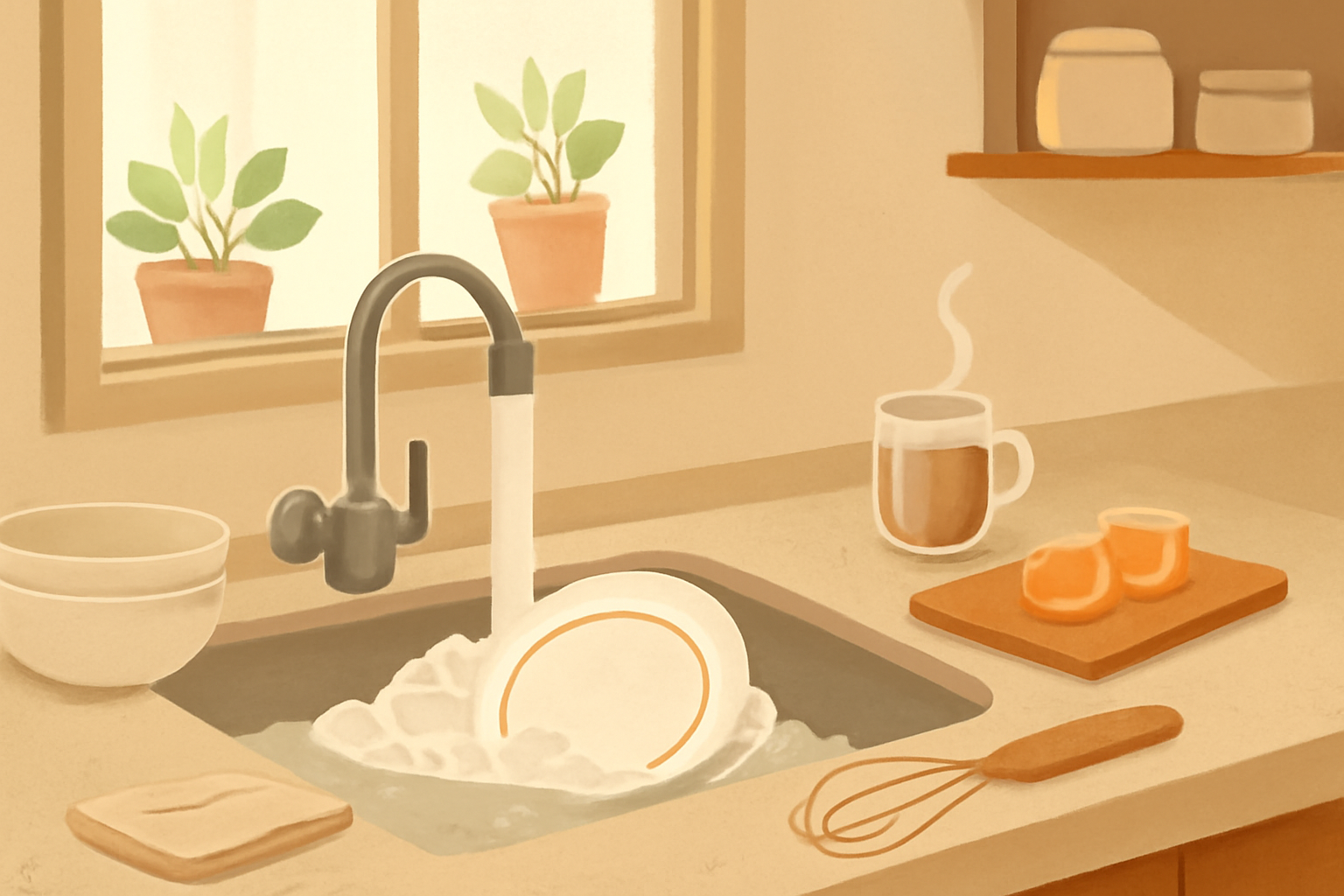
Imagine waking up in the morning and feeling grateful for the present moment, instead of jumping straight into your “to-do” list of self-improvement tasks. What would it feel like to allow yourself to exist, without pressure, just being?
Learning to Rest Without Guilt
Rest is one of the first casualties in the cult of constant improvement. We’ve been sold this idea that rest is “unproductive” — that if we’re not moving forward, we’re falling behind. But this is not true. Rest isn’t wasted time; it’s the necessary recharge that allows you to show up more fully when you do work. Without rest, you burn out. Without rest, you stop enjoying your progress. Without rest, you lose connection to the very things you were striving for in the first place.
Taking time off doesn’t mean you’re lazy.
It means you’re human.
You need downtime for creativity to emerge. You need rest to prevent decision fatigue. You need breaks to gain perspective. Without it, everything becomes a grind — and when everything is a grind, nothing feels rewarding.
So, instead of “hacking” rest to make it productive, how about simply resting? Let yourself be. Read a book for pleasure, not self-improvement. Take a nap without checking your phone. Watch a show without multi-tasking. Let your mind wander aimlessly without feeling guilty about it.
Rest is a form of resistance to the cult of constant improvement. And it’s one of the most radical, life-affirming things you can do for yourself.
How to Break Free from the Improvement Trap
- Define your own version of success
Forget the benchmarks set by society, influencers, or that list of self-help books you feel like you “should” be reading. Define success on your terms. What feels fulfilling? What lights you up, regardless of external metrics? - Practice self-compassion
Treat yourself like you would a dear friend. If your friend was constantly beating themselves up over not achieving something, you’d tell them to take a break and be kind to themselves. Why don’t we offer that same kindness to ourselves? - Limit your exposure to self-improvement content
This is radical, I know. But constantly consuming content that encourages self-improvement can make you feel like you need to improve in every area of your life. Take breaks from motivational content, productivity hacks, and comparison traps. Reclaim your sense of peace. - Find joy in the present
Instead of looking for ways to “fix” yourself, take time to savor the moments as they are. Enjoy a cup of coffee without checking your phone. Walk outside without making it a workout. Engage in a hobby just for fun, not for progress. Joy doesn’t need to be earned. - Embrace imperfection
Imperfection is a sign of being human. Let go of the need to be perfect in everything. You’re allowed to have flaws, unfinished projects, and quiet days. Life doesn’t have to be a constant performance.
The Freedom of Enough
Breaking free from the cult of constant improvement means realizing that you’re allowed to exist without the pressure to always be better. It’s about showing up as you are, right now, in this moment. It’s about remembering that you’re worthy, not because of what you achieve, but simply because you exist.
So, let’s stop measuring our worth by how much we can “improve” and start appreciating the beauty in who we already are. Because sometimes, the most powerful thing you can do is to let go of the hustle and enjoy the peace of simply being. You are enough — and that’s the most radical self-improvement there is.